
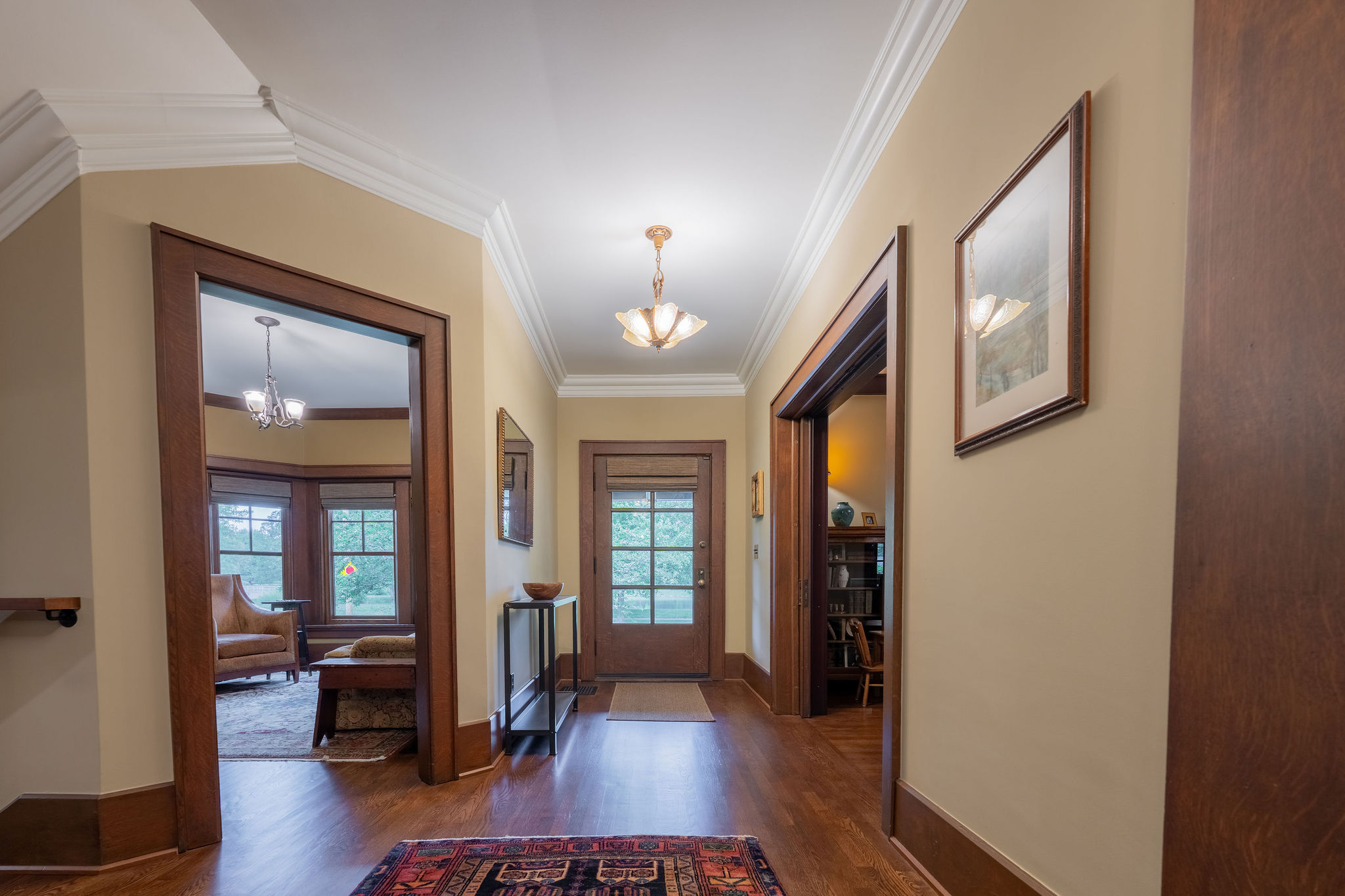
When Beth and Peter purchased their 1908 Craftsman-style home in Central Ohio, they already knew they were taking on more than a typical renovation.
They had lived in older homes before and understood that part of the appeal as well as the challenges that can arise when discovering what lies beneath the surface. This home had plenty of character to preserve, from its original woodwork and Craftsman-inspired details to its generous room sizes.
The goal was never to make the home feel new. Instead, they wanted to create a home that remained unmistakably historic while incorporating the comfort, function, and reliability they wanted for everyday life. That meant knowing what to change, what to preserve, and when to let the character of the house speak for itself.
For homeowners seeking historical home restoration services in Central Ohio, this RotY award-winning project demonstrates how thoughtful renovation can preserve architectural character while improving everyday livability.
A Home Worth Preserving
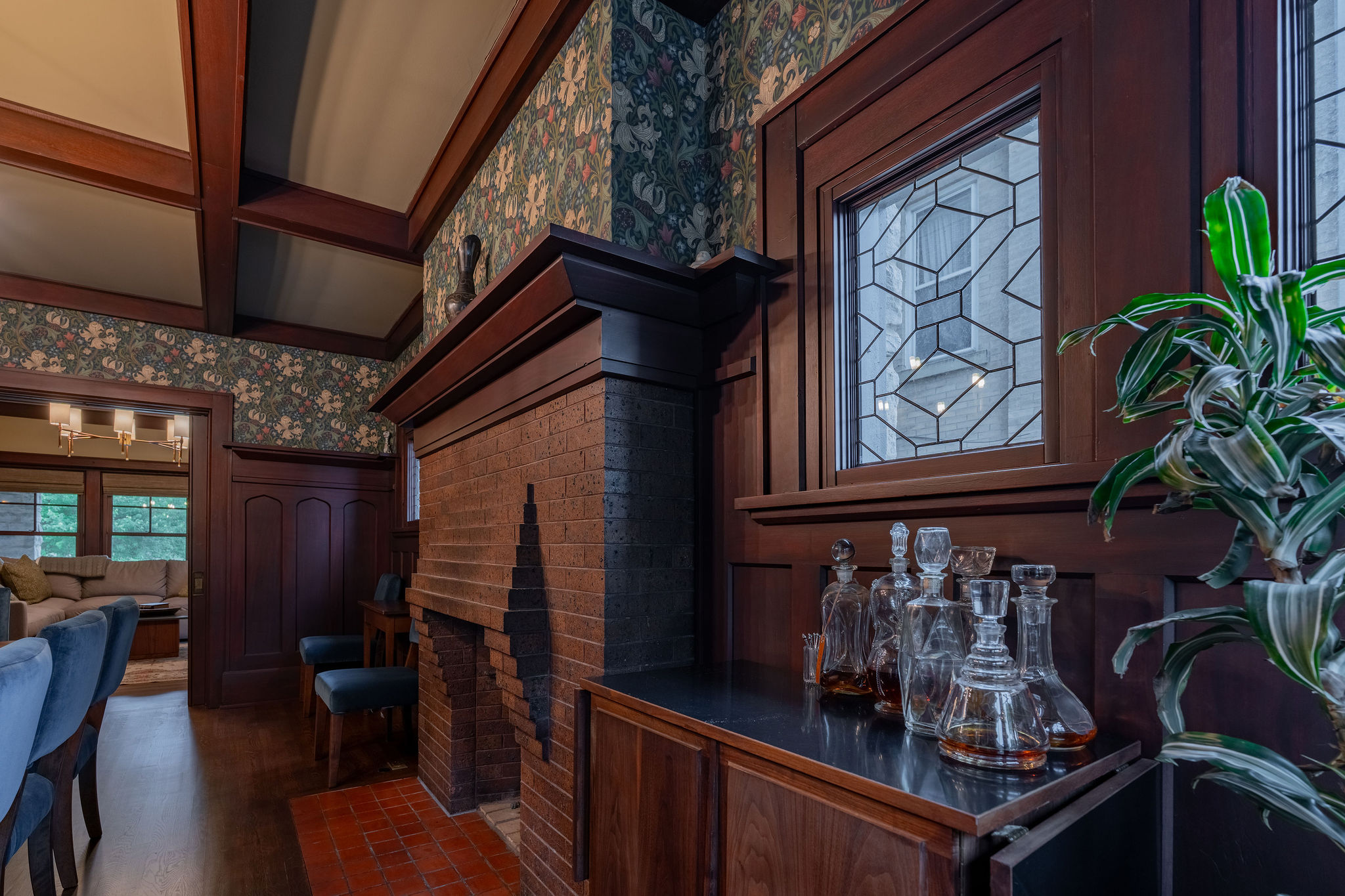
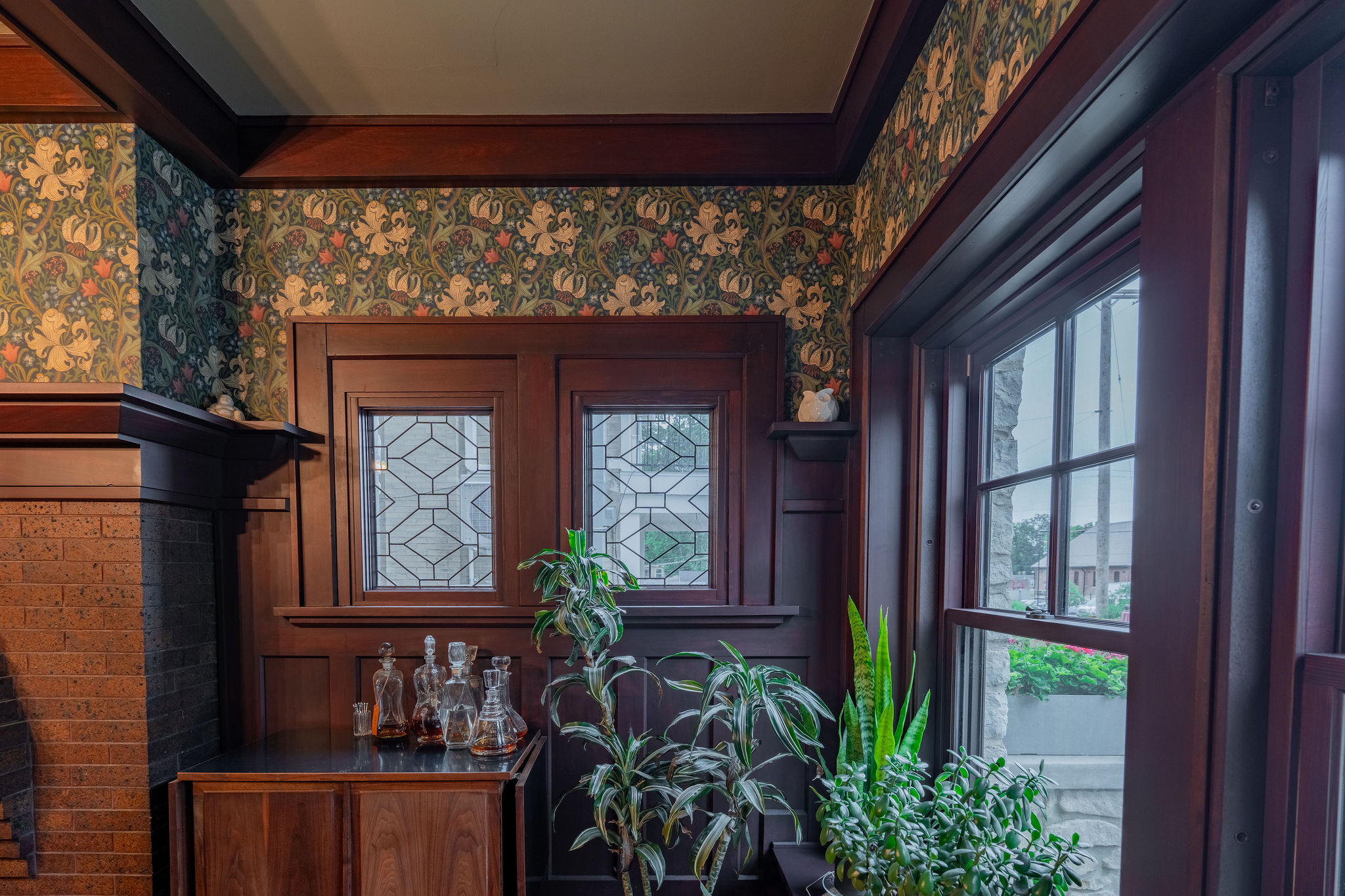
Built in 1908, the home had already belonged to several generations of families before Beth and Peter moved in. They were immediately drawn to its natural materials, wood floors, and Craftsman style. And like many historic homes throughout Columbus and Central Ohio, the property featured original details that would be difficult or impossible to recreate today.
One detail stood out in particular: much of the original woodwork on the first floor had never been painted. For the homeowners, that was something worth protecting.
“There’s a lot of history and a lot of things that might be uncovered,” Beth explained. “We are okay with that.”
That mindset shaped the renovation from the beginning. Rather than trying to make the interior look perfectly new, they wanted to retain the character, including some of the imperfections that showed the home’s age.
“We had no desire for that,” Peter said of the approach of renovating an old home until it could look like any other house. “We wanted to come in and have it look like a historic house that still had some imperfections.”
Updating the Home Without Erasing Its Character
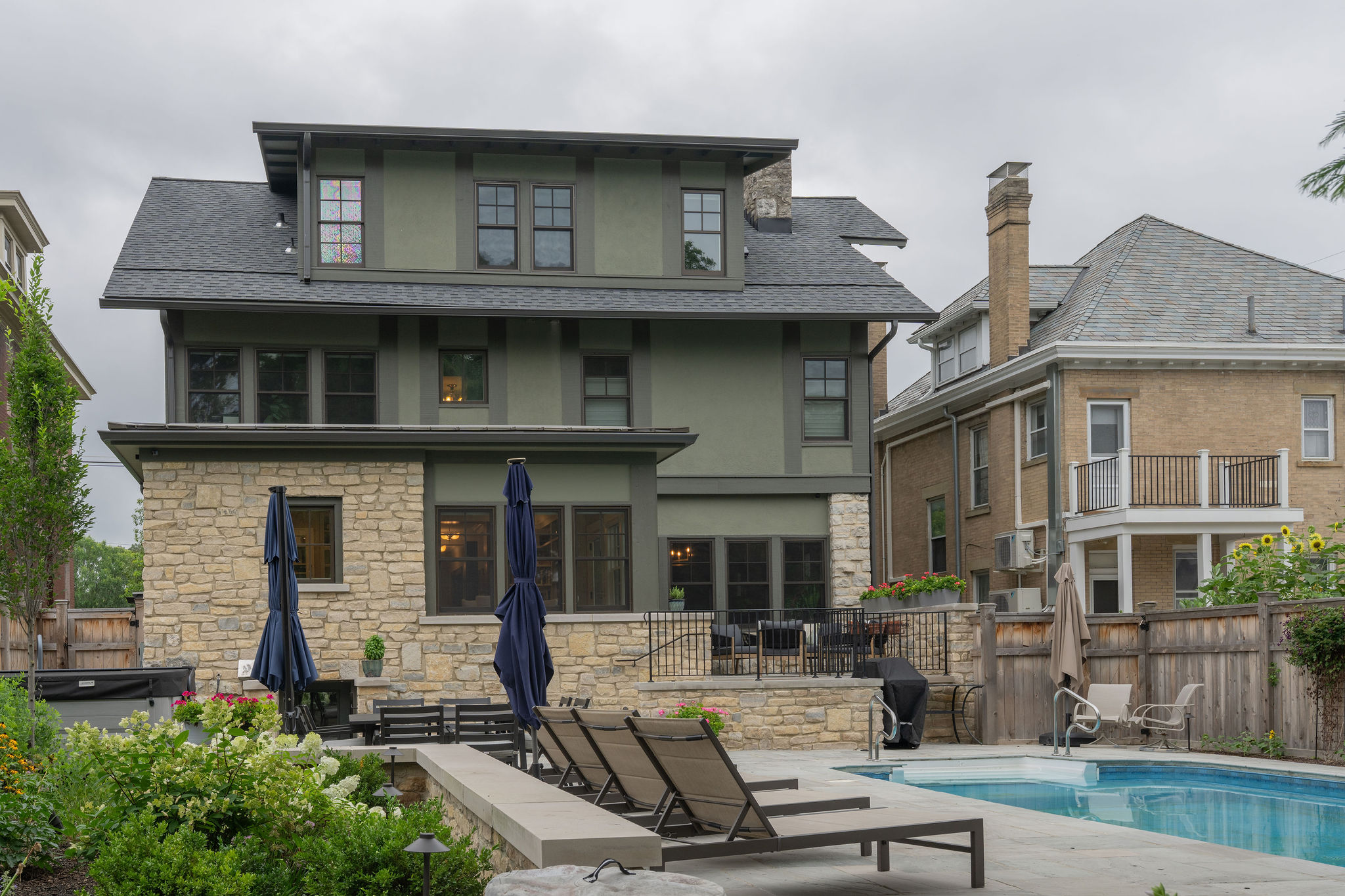
This type of historic home remodeling requires careful planning to ensure new construction blends seamlessly with original architectural details. The renovation included significant updates, but many of the most important changes are things you don’t necessarily notice at first glance.
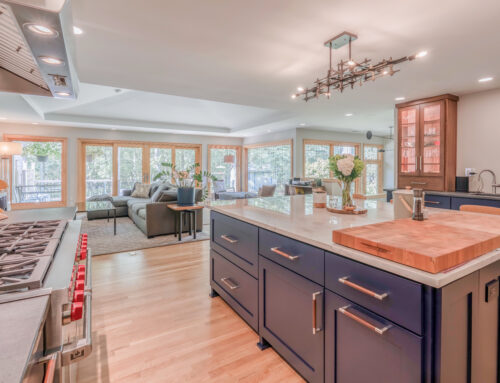
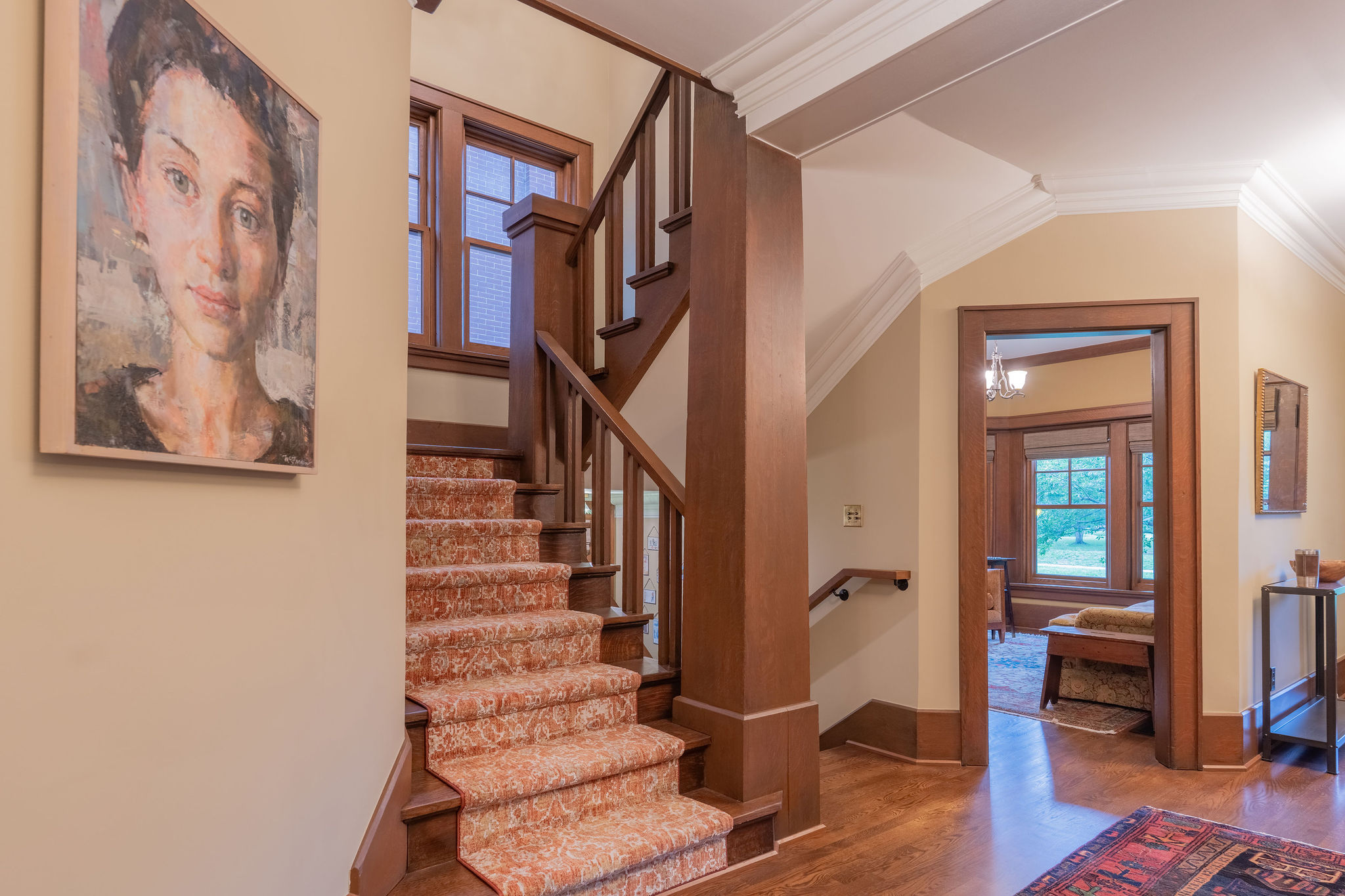
The kitchen was expanded with a rear bump-out, creating a more functional layout while maintaining the character of the original home. New interior columns were built to closely match the existing columns, helping the rear home addition feel like it belonged. NJW Renovations Unlimited also helped preserve and reuse original materials wherever possible.
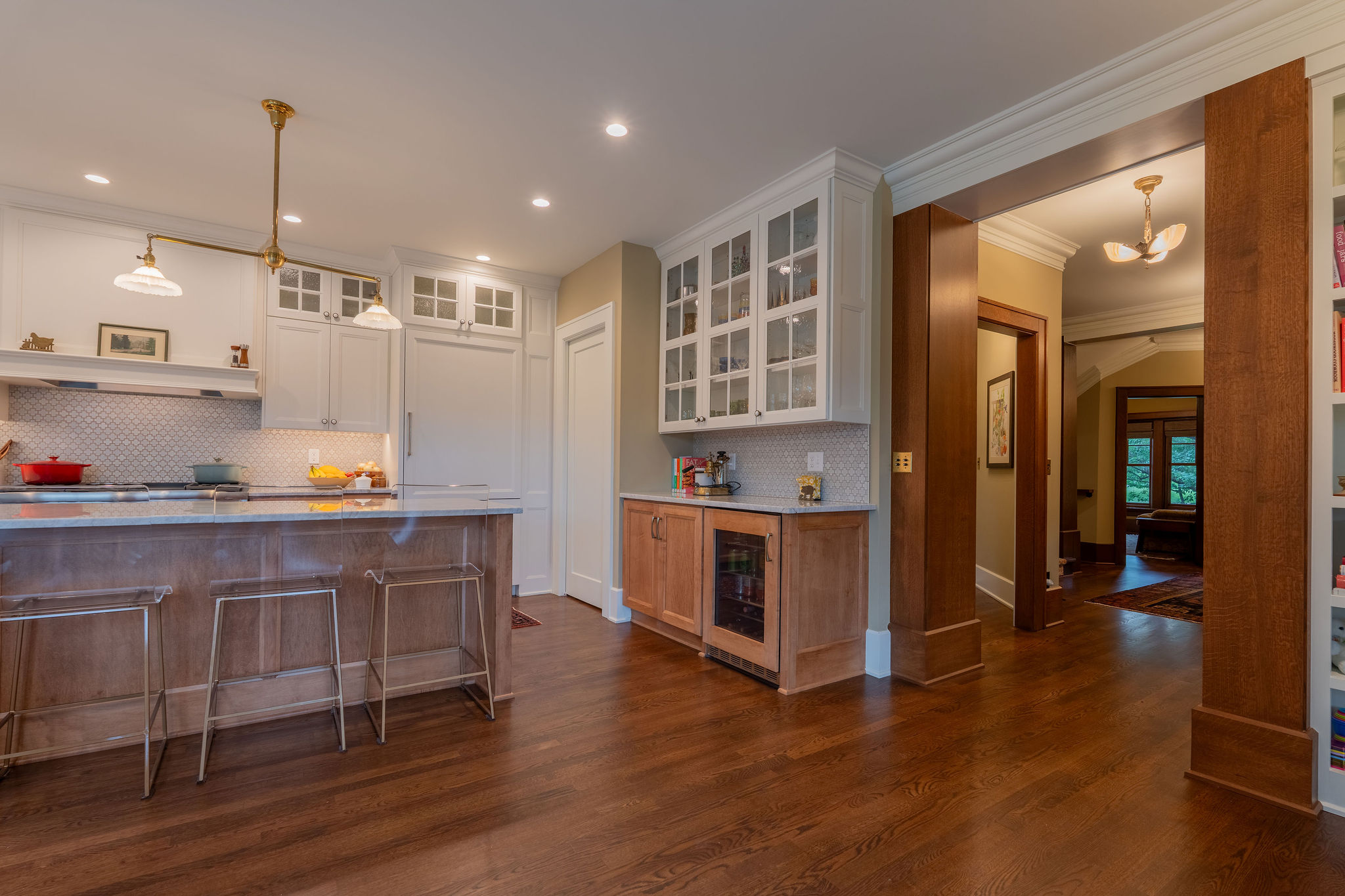
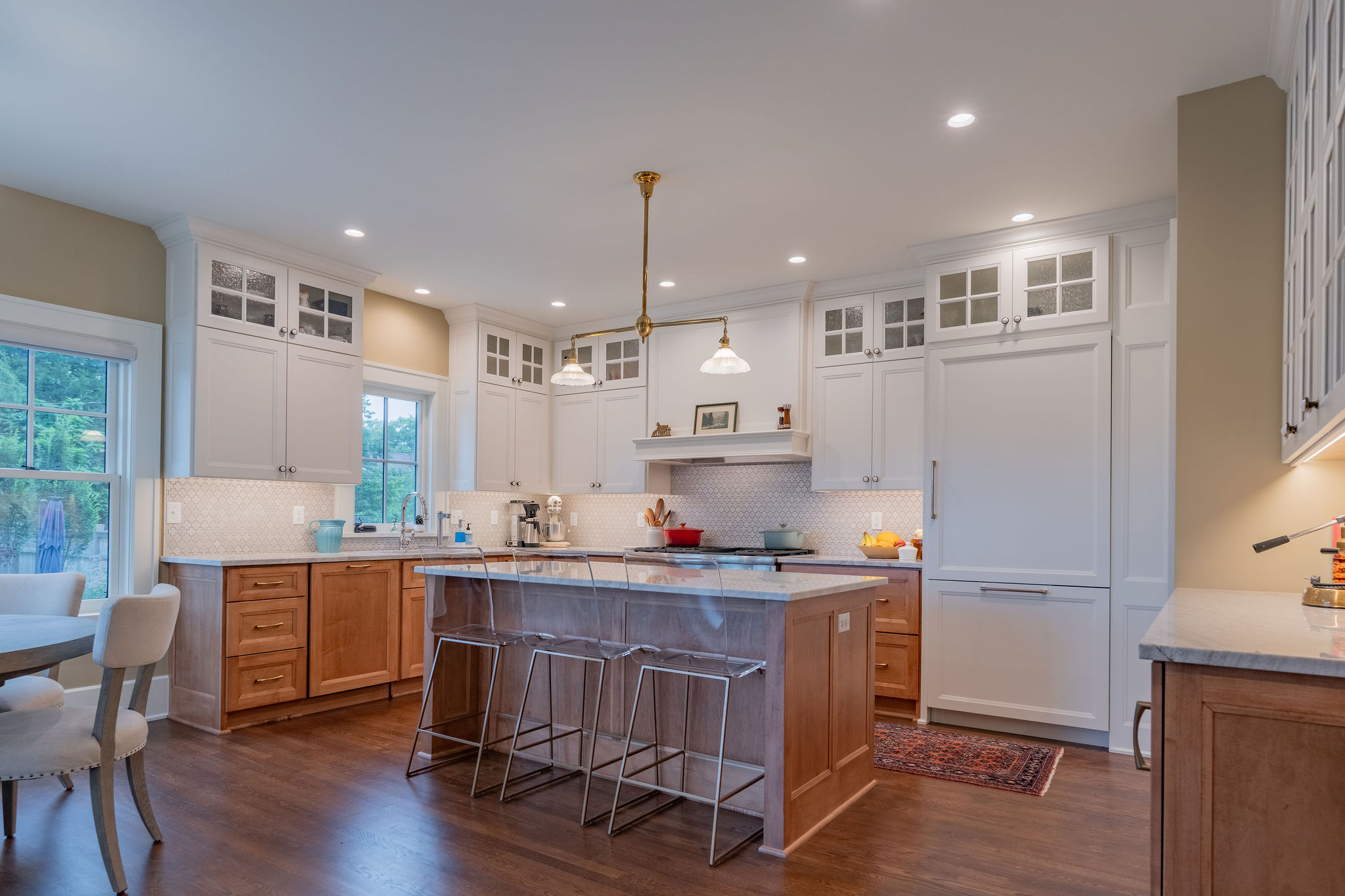
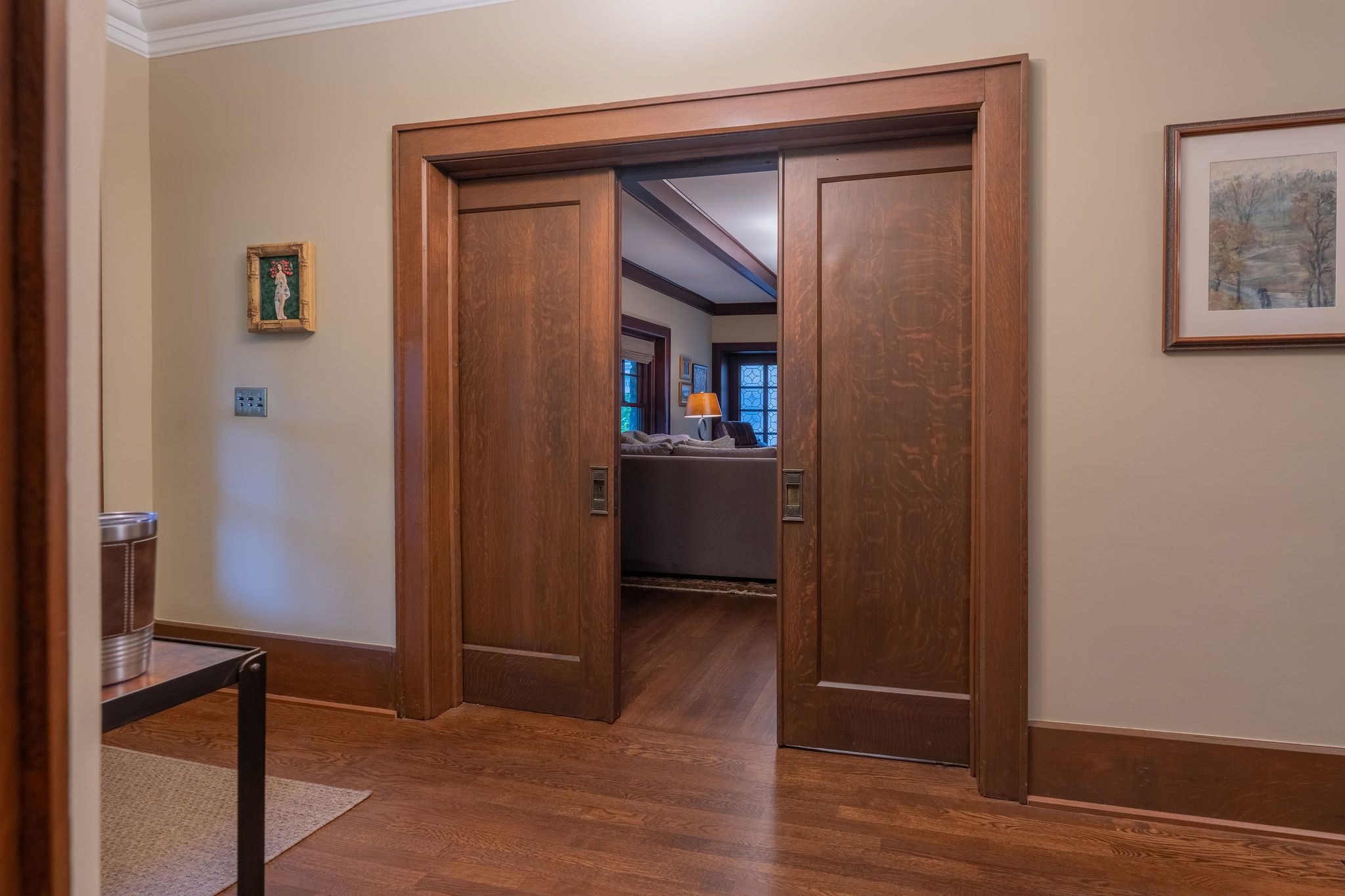
Original wood doors were reused throughout the home, even when they showed signs of age. Door hardware was cleaned by Beth and put back into service. In one particularly creative solution, original molding from the second floor was removed and repurposed on the first floor so new work could match the more detailed original trim.
That attention to detail made an important difference.
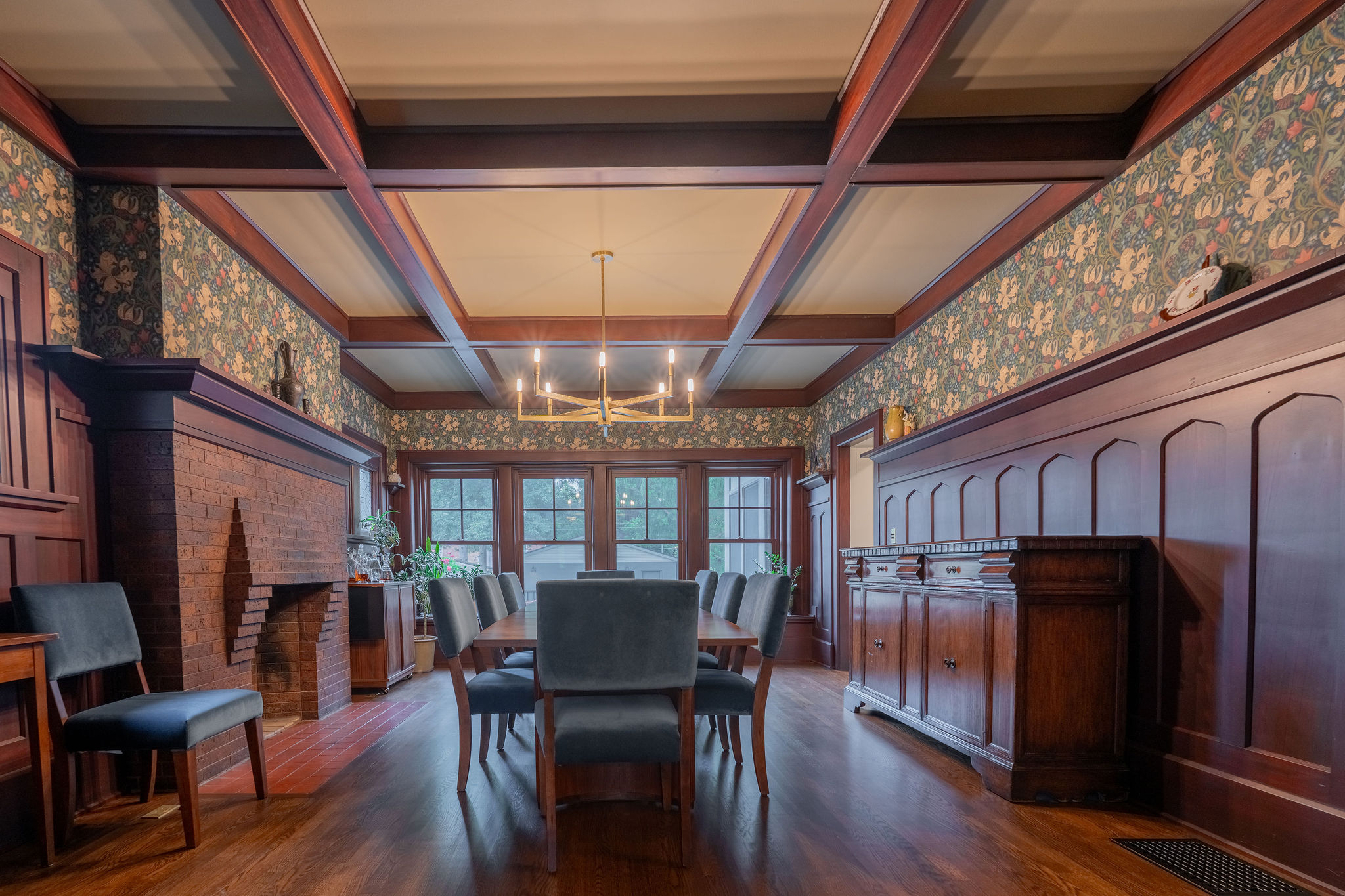
According to Peter, NJW’s carpenters did an exceptional job recreating the profiles and details of the home’s original trim, including some of the quirky imperfections.
“The work that Joel’s team and especially the carpenters did on matching the way the original trim was made…you cannot identify what’s original and what they rebuilt.”
Modern Comfort Where It Matters Most
Preserving history didn’t mean giving up modern conveniences. The renovation included additional insulation, a whole-house fan, and mini-split systems on the third floor to improve air flow. These upgrades reflect a common goal among homeowners pursuing historic home restoration in Central Ohio: improving energy efficiency and comfort without sacrificing architectural integrity.
The homeowners also made the decision to replace the home’s original windows, which was a difficult choice to make. The original windows featured beautiful old-growth wood frames and distinctive hardware, but they were single-pane, non-functioning windows that provided little insulation from temperature or outside noise.
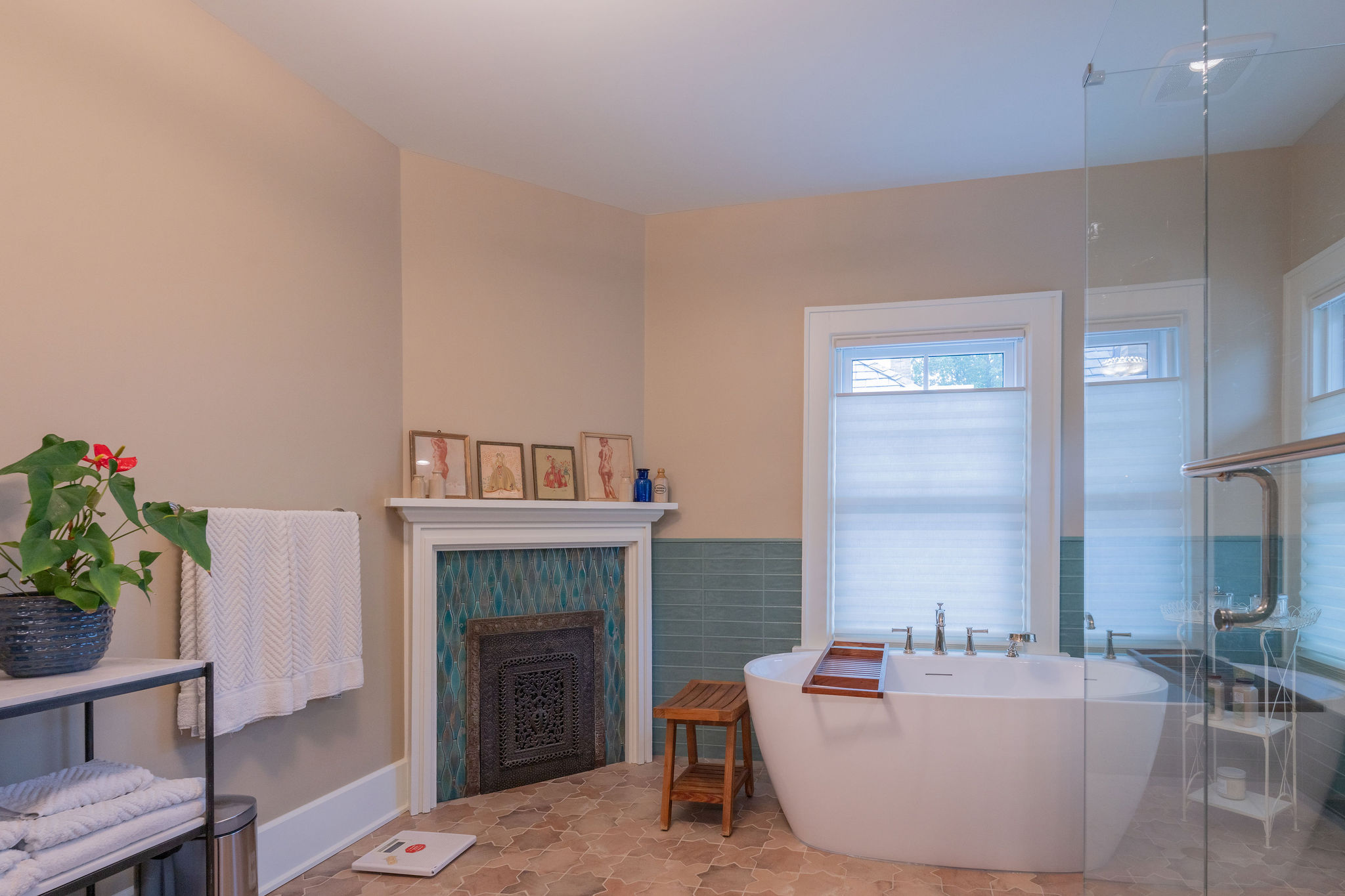
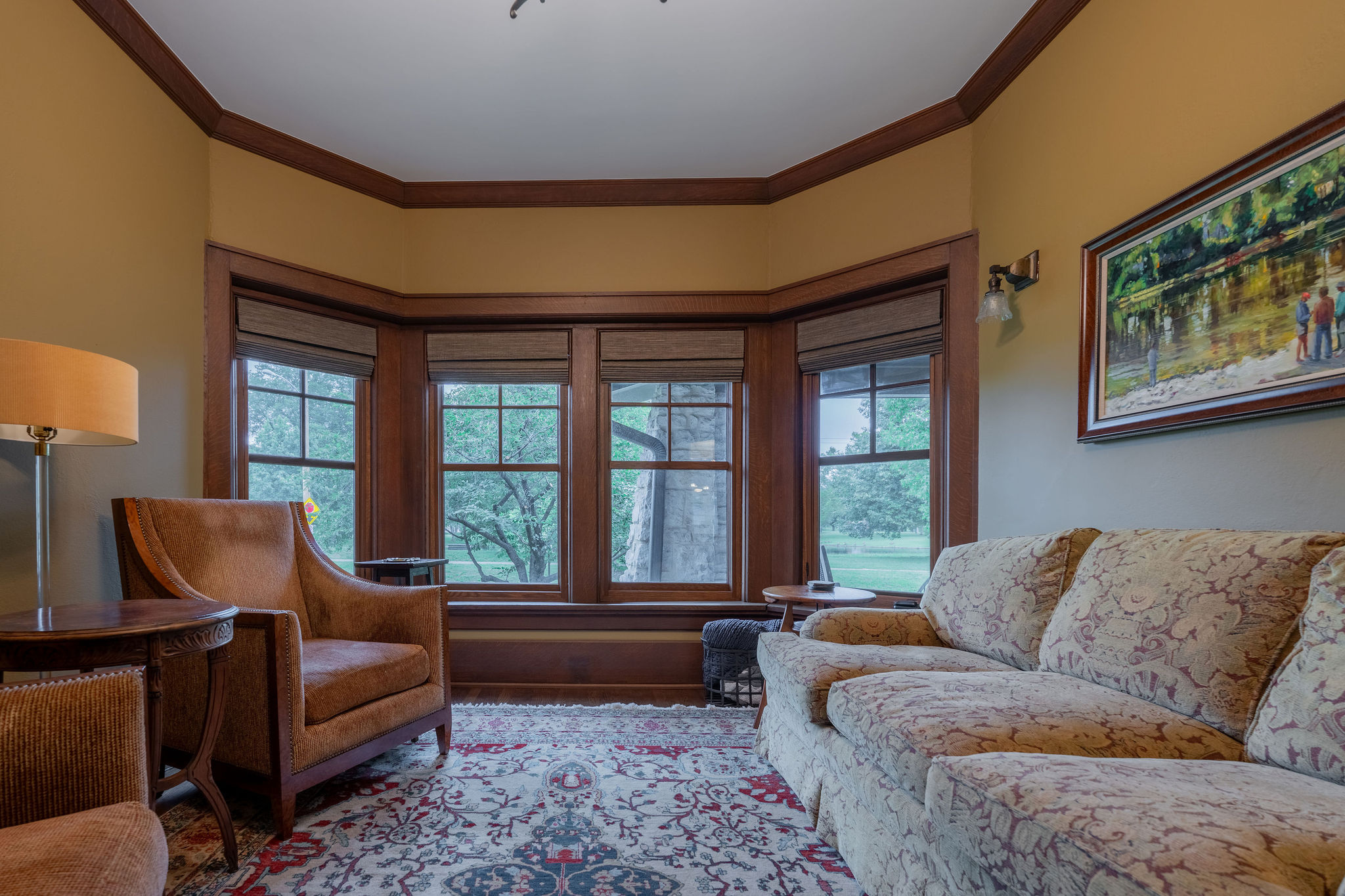
After exploring options for preserving the original windows, they ultimately decided that replacement windows would provide a significant improvement in comfort, insulation, and sound reduction. The new windows are from APCO and feature the Marvin Windows Ultimate line, with clad exteriors and wood interiors selected to complement the character of the home.
Multiple types of wood were used throughout the house to fit the original design of each space. White oak was used in the study, Douglas fir in the living and dining rooms, and primed pine throughout the rest of the home.
The new windows were selected to complement the character of the home while providing the performance and functionality expected from a modern home. For Beth and Peter, they became one of the clearest examples of balancing preservation with practicality, making a necessary update while keeping the architectural character of the home intact.
When an Old Home Reveals Its Secrets and Challenges
Anyone who has renovated an older home knows that plans can change once walls are opened and floors are exposed. This project was no exception.
The homeowners knew from the beginning that the house had deferred maintenance and that some of their investment would go toward addressing the home’s underlying needs rather than purely cosmetic upgrades.
The first-floor wood flooring was one example. NJW initially attempted to salvage the original floors, but the boards were too thin and began splintering during the process. Ultimately, they had to be replaced.
The team also discovered challenges with the home’s existing structure. NJW installed a beam beneath the first-floor flooring and gradually adjusted it to help correct some of the home’s unevenness.
Other surprises were smaller but still required problem-solving. Pocket doors needed to be disassembled to determine how to get them functioning properly. Plans for gas logs in two fireplaces had to be reconsidered when structural conditions made installation impractical.
For the homeowners, those situations reinforced the importance of working with a design-build remodeling firm that understands older homes.
“You have to be ready for the ‘we opened up this wall, and this is what we found,’” Peter said.
Choosing a Design-Build Remodeler That Understands Older Homes
Beth and Peter were introduced to NJW Renovations Unlimited through their architect, UrbanOrder, who provided them with a shortlist of contractors they trusted for the project. When selecting a historic home renovation contractor in Central Ohio, experience with older homes matters. Restoring and updating a 100-plus-year-old home requires a different approach than renovating newer construction.
NJW stood out early in the process for two reasons: the design-build team’s willingness to listen and the level of detail in its approach to pricing and planning. Rather than providing a preliminary estimate and leaving the homeowners to navigate the details later, NJW took the time to develop a detailed proposal. For a project with the complexity of a 1908 home, that preparation mattered.
The homeowners also appreciated the communication throughout construction. Weekly meetings kept everyone informed, while changes were documented, so the homeowners understood both the scope and cost of any decisions.
They were living just a few blocks away during the renovation and visited the home nearly every evening. Rather than feeling like they were checking up on the work, they found that being involved actually helped them identify questions early, and the NJW team welcomed that involvement. They also noticed something that can be easy to overlook during a large renovation: the job site was cleaned up every evening, despite no one living in the residence during renovation.
Craftsmanship You Don’t Always Notice
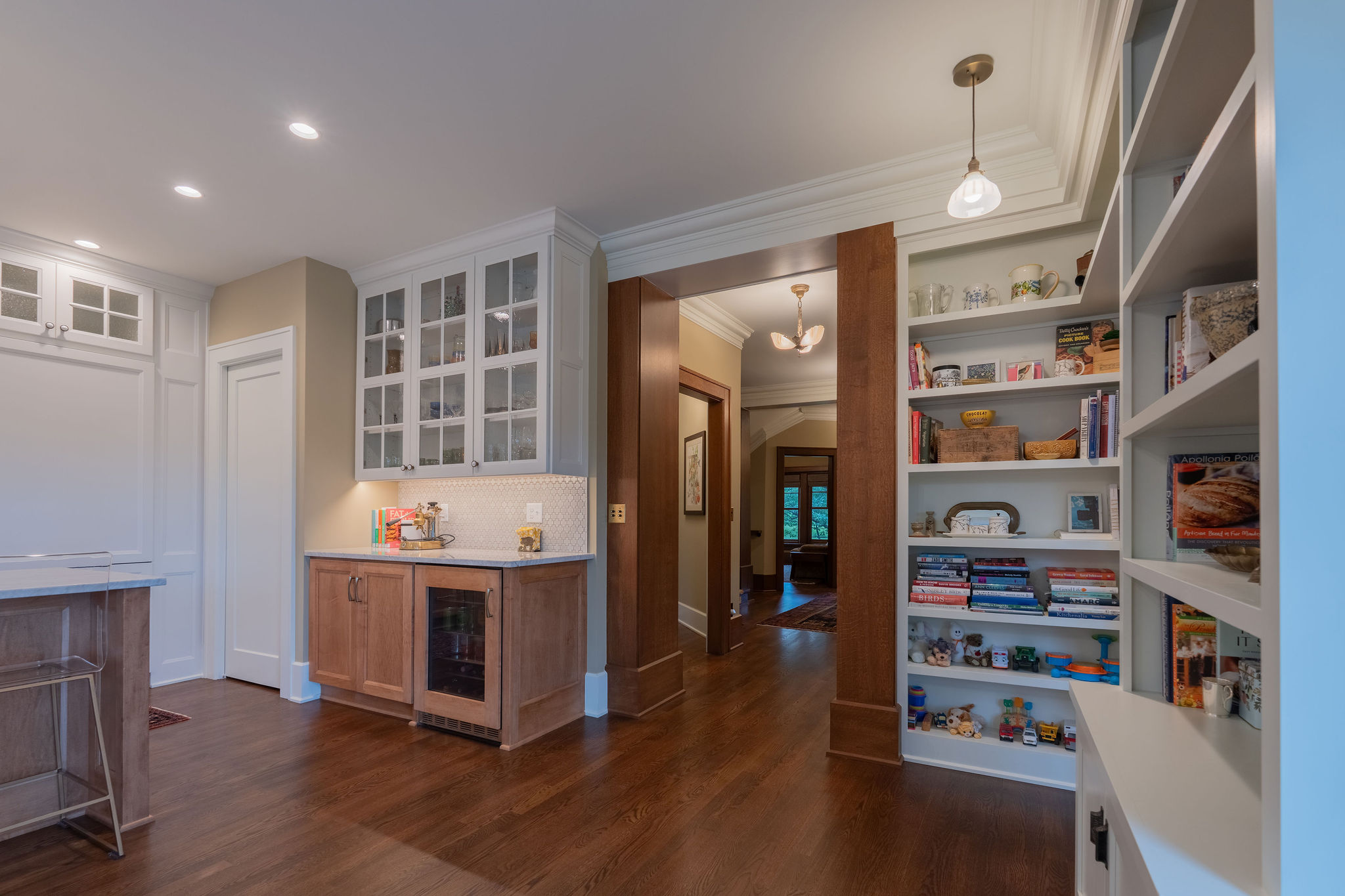
Perhaps the best measure of the renovation is that many of NJW’s additions don’t call attention to themselves.
The new trim looks like it belongs.
The new columns feel like they were always part of the house.
Updated systems provide modern comfort without dominating the space.
And original materials remain part of the home rather than becoming something that was simply replaced. This attention to detail is what distinguishes high-quality historical home restoration from a standard remodel.
That was exactly what Beth and Peter wanted.
They also worked diligently to select lighting and finishes that complemented the home’s era rather than competing with it through the help of CRI Designs. The result is an updated interior that feels connected to the architecture instead of disconnected from it.
A Home That Still Feels Like Home
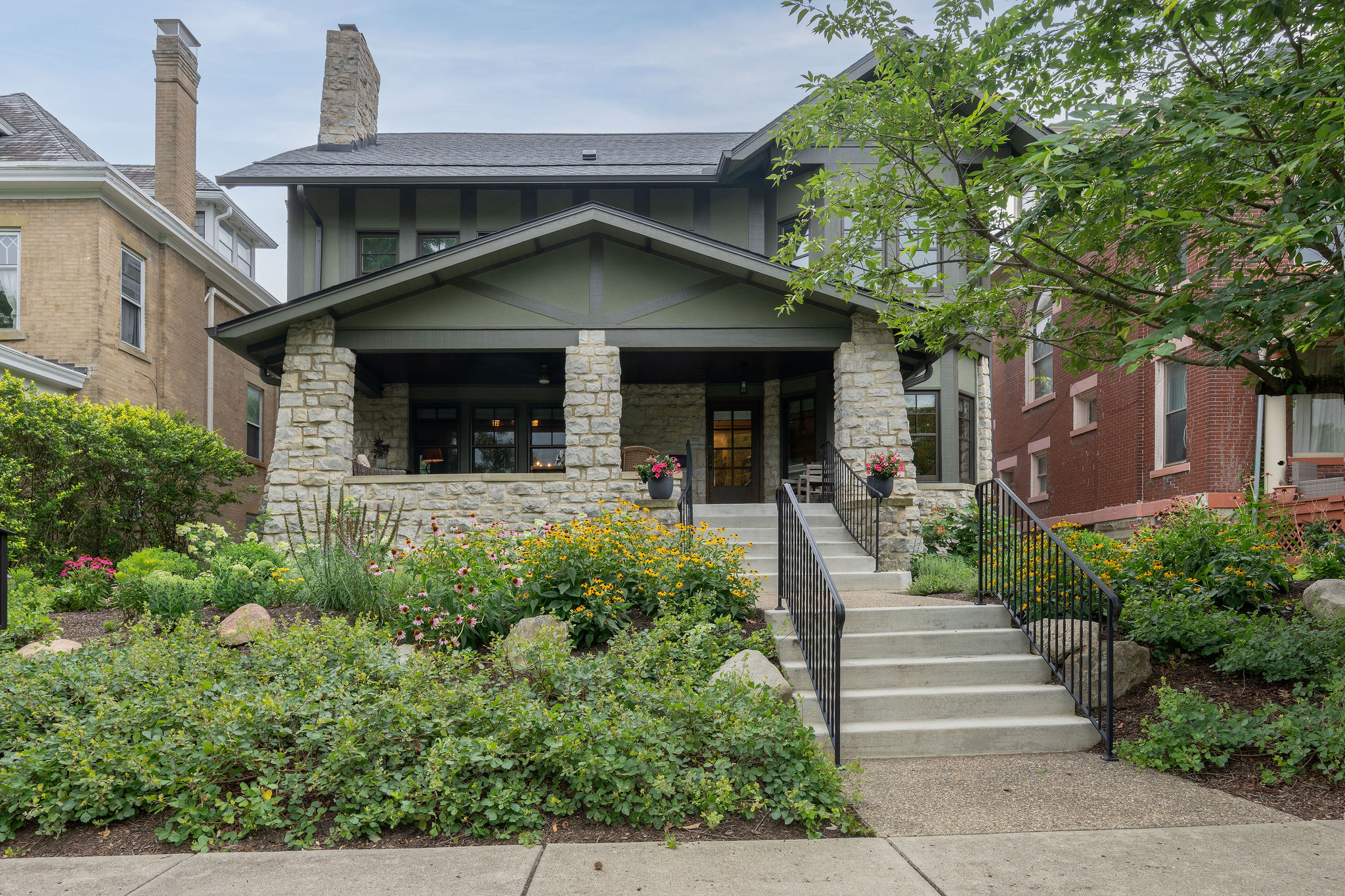
Today, the homeowners’ favorite spaces aren’t necessarily the largest or newest ones.
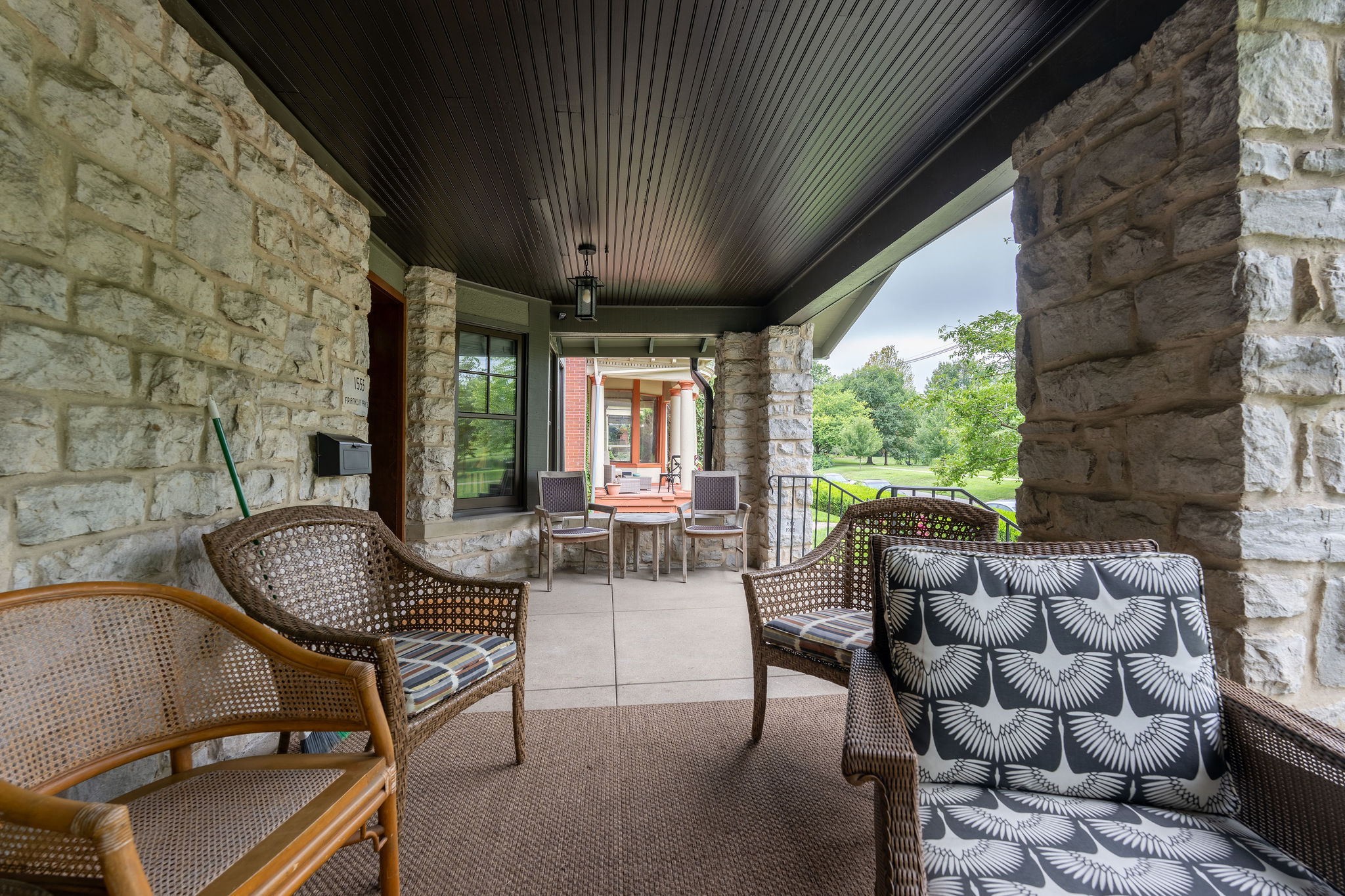
The front porch is a favorite. It’s where they enjoy the view of the park their home borders and the character of the home itself.
Another favorite is a smaller first-floor room where they have coffee each morning. It’s a quiet place to start the day, connect, and relax before taking on daily tasks. Those spaces capture what the renovation was ultimately about: creating a home that could support the way they live today while respecting the history that made them fall in love with it in the first place.
As a design-build firm specializing in historic home renovation, restoration, and additions throughout Central Ohio, NJW Renovations Unlimited helps homeowners preserve architectural character while adapting older homes for modern living.
We know projects like this require more than old home construction expertise. They require an understanding that every older home has its own story, its own quirks, and its own opportunities. And sometimes, the best whole home renovation is the one that makes the new work feel like it was always there.
Interested in seeing more of our restoration work? Check out the incredible whole home renovation of Victorian Village’s Circus House.
Project Partners
Architect: Urban Order
Designer: CRI Interiors
Landscape Architect: Outdoor Space Design
Landscape Architect: C&M Landscape